Visual and acoustic insect monitoring answer different ecological questions. The right method depends on the target organisms, the evidence needed, and where and when monitoring takes place. In many projects, the approaches are complementary.
Where acoustic monitoring fits
Acoustic and ultrasonic sensors are particularly useful for animals that produce identifiable signals. This includes bats and birds and, among insects, groups such as crickets and grasshoppers. They can reveal calling activity over long periods without requiring an organism to enter a camera’s field of view.
Their taxonomic reach depends on whether target sounds have been recorded and characterised. Wind, traffic, machinery, other animals, distance, and habitat structure can also affect recordings. Many insects are quiet or do not produce signals that can currently be identified reliably.
Where visual monitoring fits
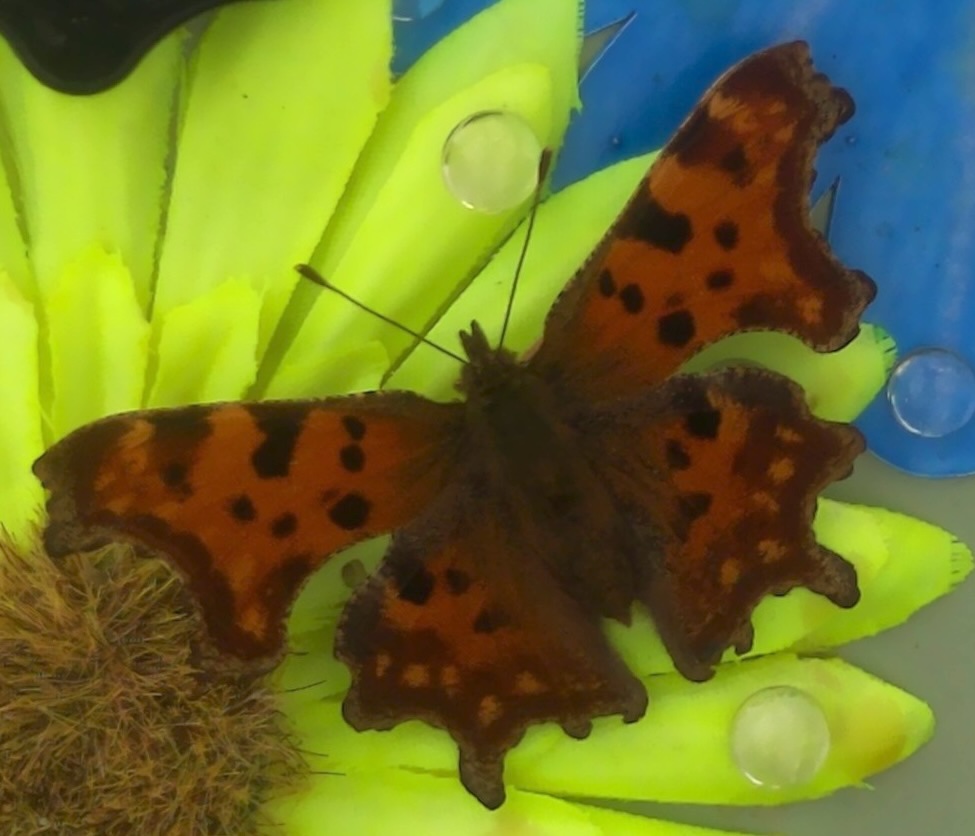
Visual systems are useful when the question concerns insects that can be observed at a defined location, including daytime flower visitors. Images record traits used for taxonomic classification—such as wing patterns, body shape, and colouration—and create a visual record that can be reviewed later.
Visual evidence has boundaries too: an insect must enter the camera’s field of view, and image quality depends on lighting, orientation, and movement.
Different evidence for different questions
- Acoustic monitoring can be well suited to calling activity, presence, and timing for vocal or ultrasonic taxa.
- Visual monitoring can be well suited to documenting visits, morphology, interactions, and patterns in insect visit activity.
- Combining methods can extend coverage when a project needs evidence across different taxa or behaviours.
Sensibee’s visual approach
Sensibee is designed for non-lethal visual monitoring of daytime pollinator and insect visits. Each recorded visit is supported by an image. The platform provides AI-assisted taxonomic classification, with confidence scores and human verification where needed.
For projects centred on sound-producing insects, bats, birds, or nocturnal activity, acoustic monitoring may answer a different—and equally important—set of questions.
Best wishes,
The Sensibee team 🐝