Automated pollinator monitoring for real-time environmental insight
The Sensibee® platform delivers clear, actionable data.
- Real-time insect monitoring — automated.
- Understanding biodiversity change in minutes not months.
Deployed across farms, urban developments, and nature reserves including
























The pollination crisis
Pollinators are essential
They sustain our crops, represent food for birds and small mammals, and are critical for reproduction of flowering plants. Without them, our ecosystems would collapse.
But their future is at risk:
Long-term studies reveal alarming declines in pollinating species — from bees and butterflies to hoverflies and beetles.
Current monitoring methods fall short:
- Sparse and fragmented
- Time-consuming and reliant on specialist expertise
- Incapable of providing real-time insights
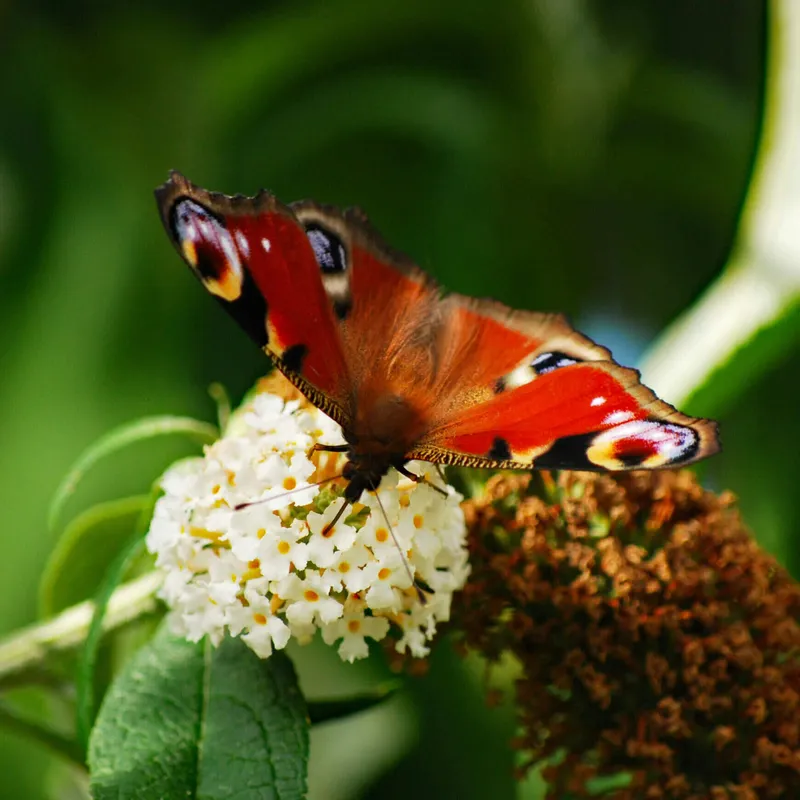
Insects are the most diverse and abundant group of animals that ever lived. They made the world. They maintain the world… If the creatures that made the world disappear entirely, I'm pretty sure we will too.
— George McGavin
Providing answers to critical questions
- How can we provide repeatable evidence of biodiversity outcomes and change over time?
- What are the best strategies for managing land to support nature recovery?
- How successful are our habitat restoration efforts?
- When do agricultural sites require pollination support?
- What impacts do extreme weather, pesticides, or pollution have on pollinators?
- How broadly distributed are particular rare or invasive species?
- In which habitats do different species thrive?
- How do biodiversity outcomes compare across sites and seasons?
- Which conservation actions deliver the greatest results?

The UK alone is home to 1,500 pollinator species, essential for 75% of the food we grow.

Many pollinator species are declining, with many species at risk of extinction.

Pollinator losses endanger our agriculture and ecosystems, disrupting the balance that sustains life on Earth.
Sensibee – automated real-time pollinator monitoring
Sensibee combines non-lethal field devices with live cloud analysis to help protect ecosystems, safeguard crops, and conserve biodiversity. It is provided as a subscription service: devices return to us after deployments to be refurbished, redeployed, and reused wherever possible.
How Sensibee monitors insect biodiversity

Records insect visits
Timestamped photographs from non-lethal field devices
Uploads images
Secure transfer from every monitored site
AI-assisted taxonomic classification
Confidence-scored, with human verification where needed
Auditable evidence & real-time alerts
- Verifiable photographic records
- Visit activity, biomass, and taxonomic composition
- Patterns across sites and seasons
- Potential pest and invasive-species alerts
Powerful insights at your fingertips
Our platform transforms complex pollinator data into clear, actionable intelligence that helps you:
- Track and analyse pollinator activity at any scale — from single sites to landscape-wide networks.
- Make informed decisions with real-time data on species diversity and patterns in insect visit activity.
- Generate comprehensive evidence-based reports that demonstrate effective environmental management and support strategic planning.
- AI-assisted taxonomic classification, with confidence scores and human verification where needed.
- Document each pollinator visit with high-resolution photography for detailed analysis.
- Access raw data exports (images, inferences, CSVs) for deeper research and custom analytics.
Insect biodiversity intelligence
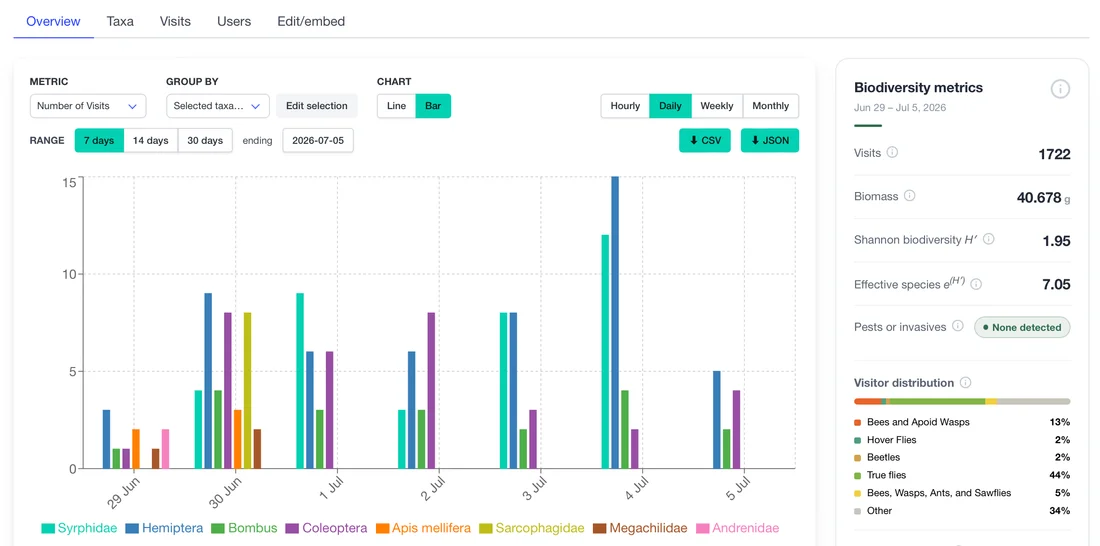 Activity levels Insect biomass Biodiversity metrics Rare species & pests
 Recent detections from Sensibee deployments
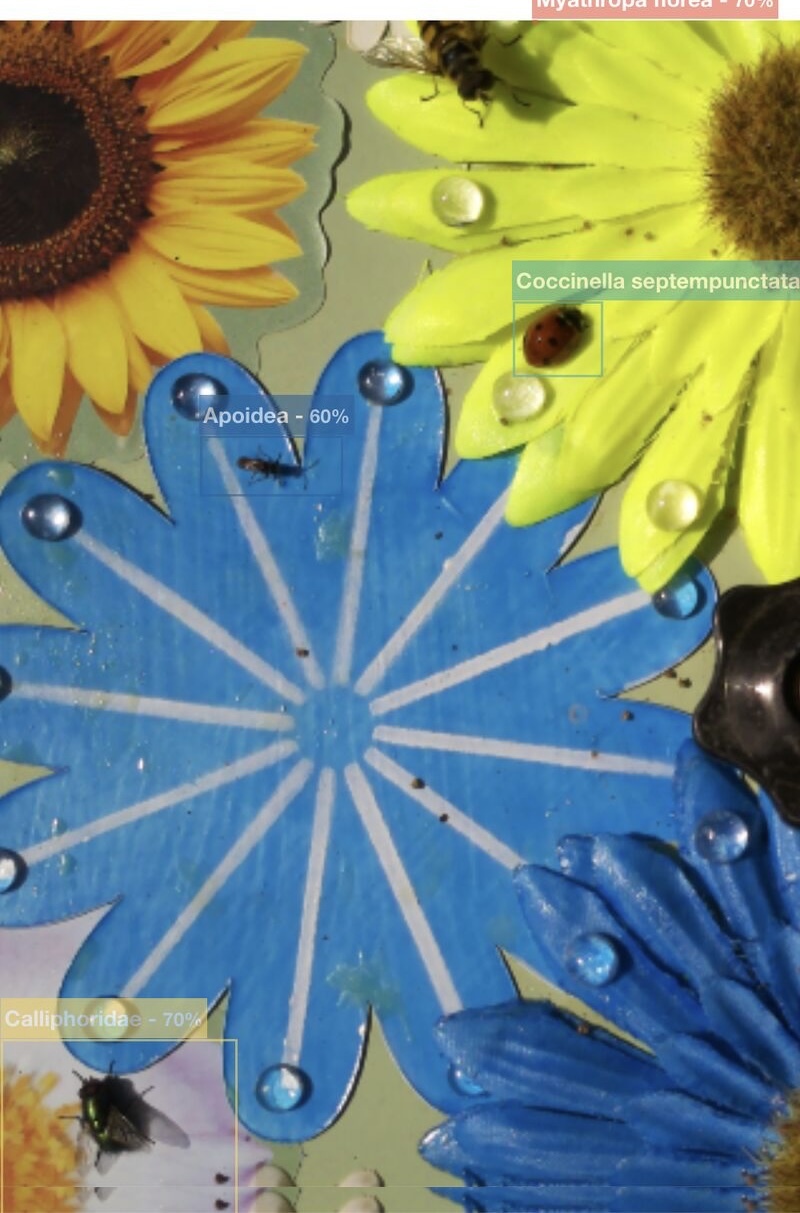
Four taxa in a single frame
One capture at Bethnal Green Nature Reserve, four species identified automatically — batman hoverfly (Myathropa florea), seven-spotted ladybird (Coccinella septempunctata), a blowfly (Calliphoridae) and a small bee (Apoidea).
Every visit is photographed and classified the moment it happens — the same feed you can embed live on your own site.
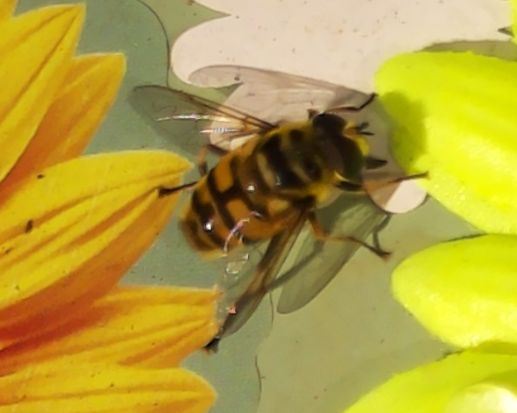 Batman hoverfly (Myathropa florea)
 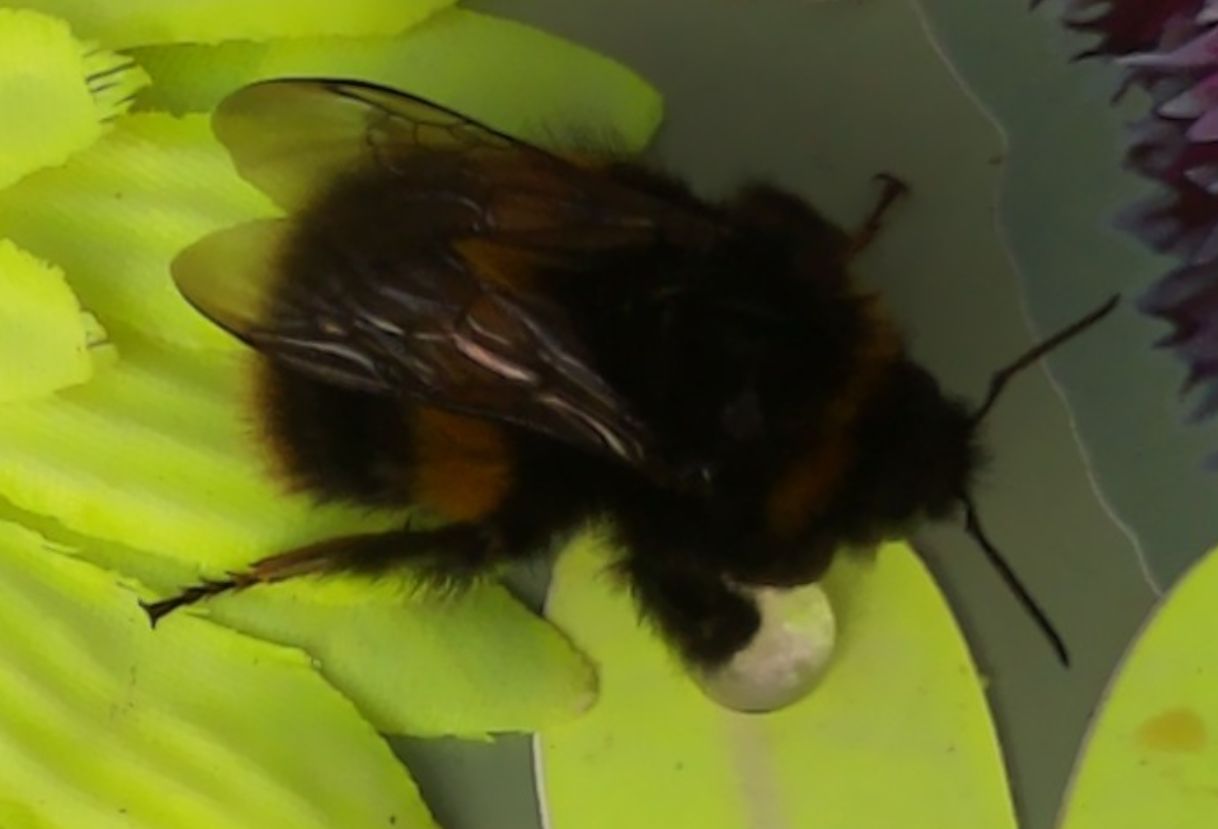 Buff-tailed bumblebee (Bombus terrestris)
 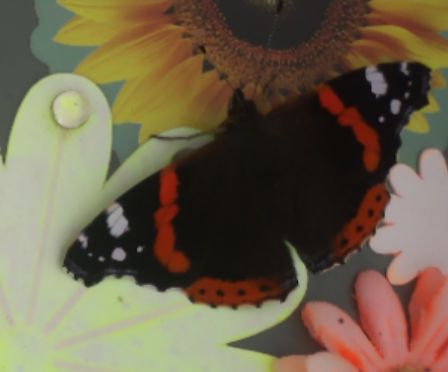 Red admiral (Vanessa atalanta)
 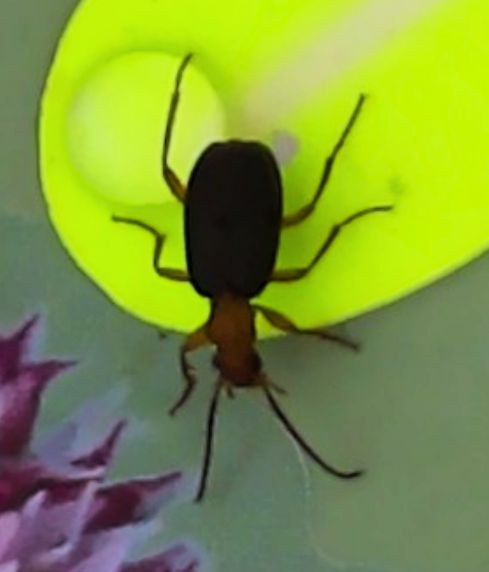 Common bombardier beetle (Brachinus crepitans)
 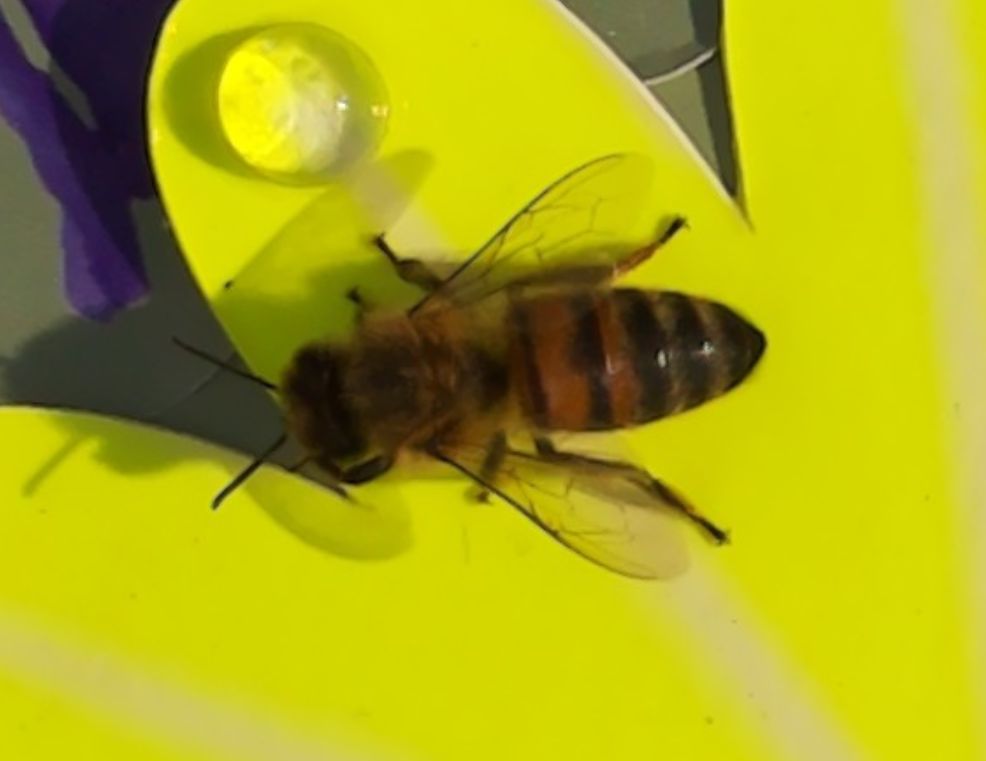 Western honey bee (Apis mellifera)
 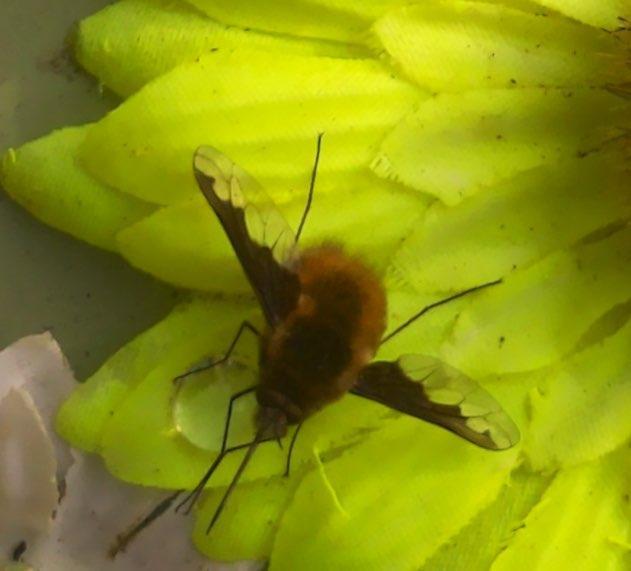 Dark-edged bee-fly (Bombylius major)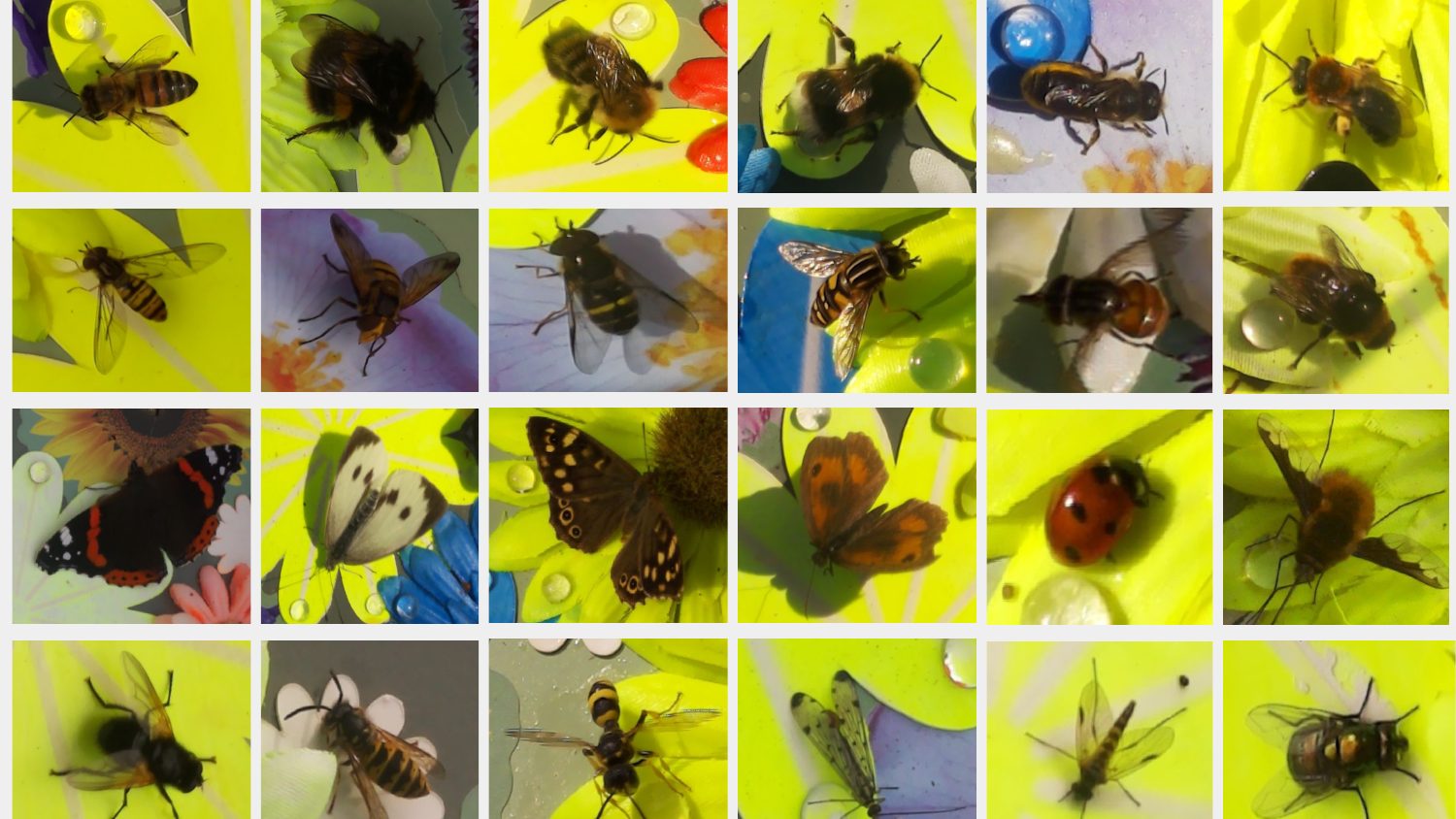
Real detections from live Sensibee deployments.
Interested in Sensibee?
Sign up to our newsletter to receive regular updates.
Send us a message - or book a meeting directly
We're excited to learn more about your aims and goals - and the roles of insects and biodiversity in what you're doing.
We'd also be delighted to share insights into how Sensibee can empower you with actionable data and support your mission.
Feel free to reach out with any questions or to arrange a quick conversation — we'd love to connect!
Supported by


Aligned with