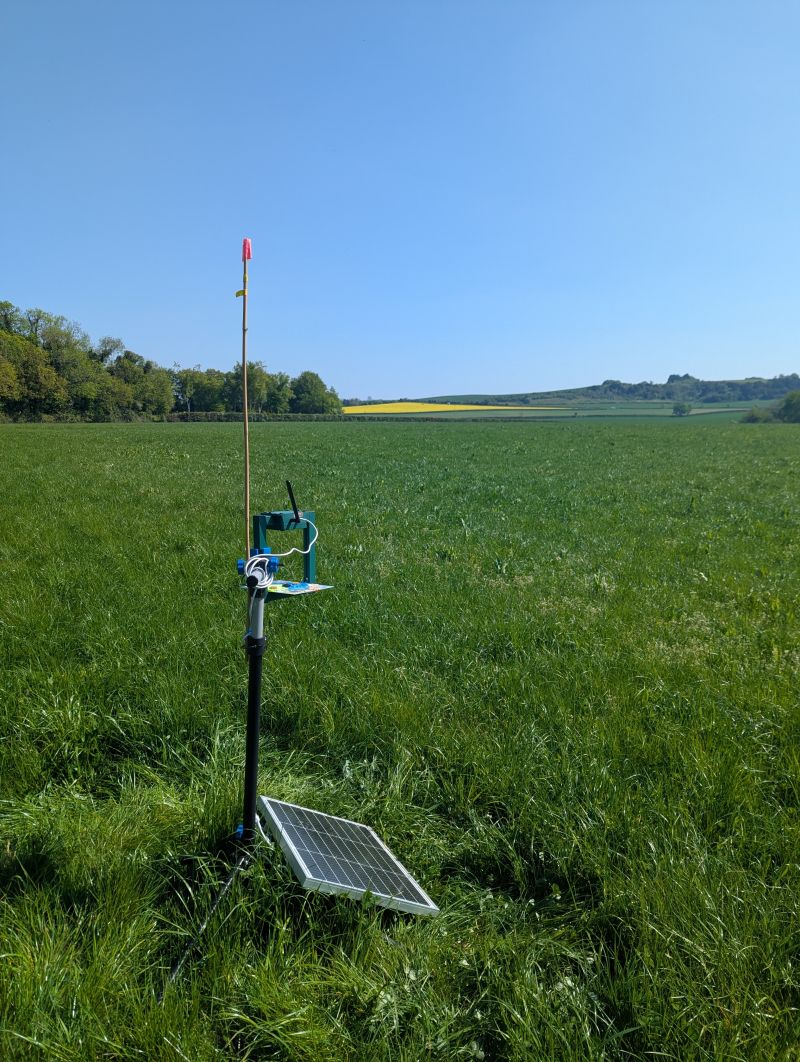
We love seeing how researchers are putting Sensibee to work in the field. 🌾🐝
Research spotlight
Sirajum Munira, a PhD student at University of Reading, is using several Sensibees for her current research.
Her project deploys cameras across contrasting farmland microhabitats, including flower-rich field edges, grass margins, and hedgerows. This enables continuous, non-invasive data collection using a consistent method across sites, reducing observer bias and helping compare patterns in insect visit activity, diversity, and behaviour in agricultural contexts.
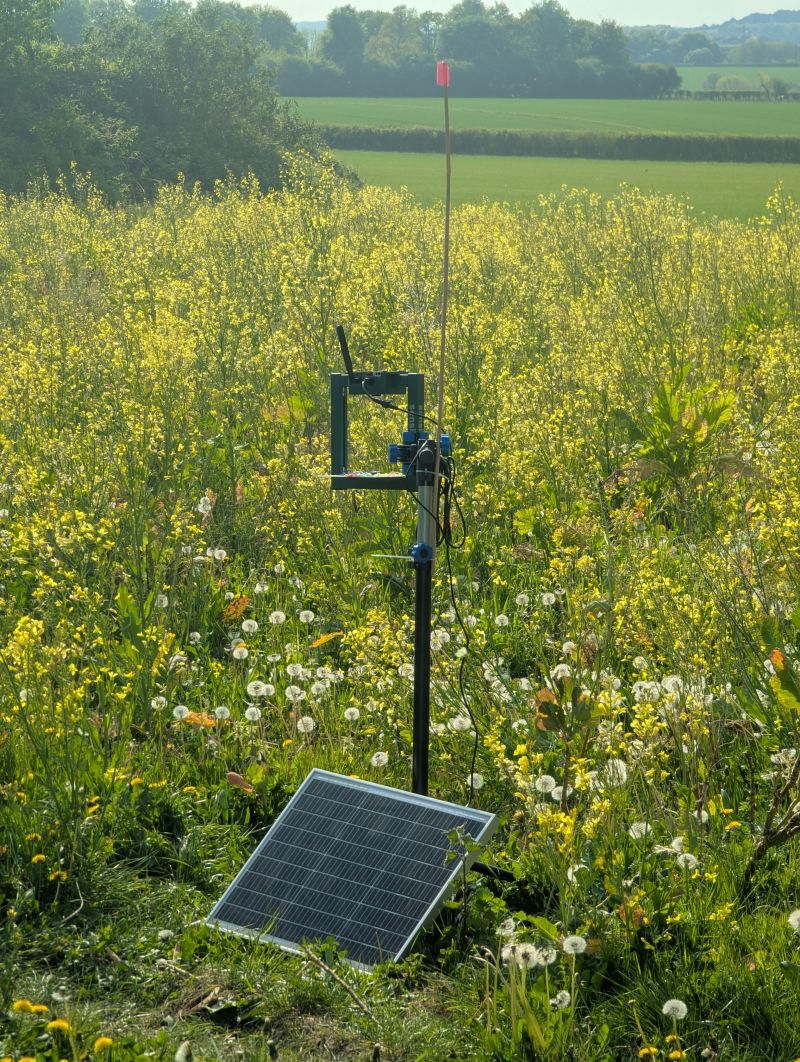
Why this matters
This kind of research demonstrates the power of automated pollinator monitoring to support rigorous scientific inquiry while reducing the time and resources traditionally required for field observation. By enabling consistent, continuous data collection across multiple sites, Sensibee helps researchers like Sirajum build more comprehensive pictures of pollinator ecology in agricultural landscapes.
If you’re conducting pollinator research and would like to learn more about how Sensibee could support your work, please get in touch.
Best wishes,
The Sensibee team 🐝