It’s been a busy few months since our last update, and we’ll now be sending updates your way in the middle of each month. First, a catch-up on what we’ve been up to.
New deployments
Our network continues to grow in some fascinating new directions. We are now supporting one of the UK’s leading soft fruit growers to track pollinators in their polytunnels.
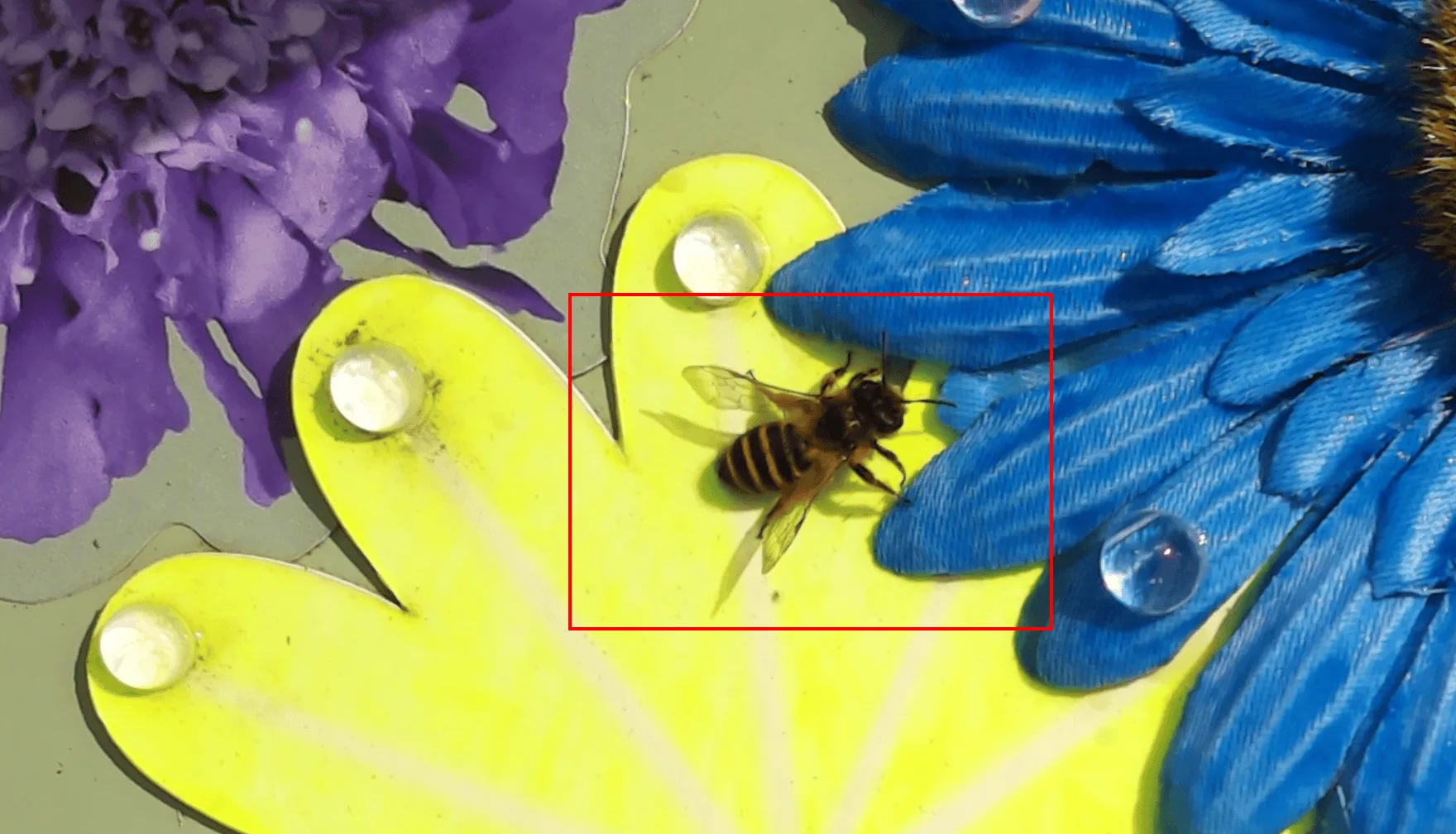
Closer to home, we are about to go live with several devices along rail lines for Transport for Wales, adding infrastructure corridors to the growing list of environments where insect monitoring can support biodiversity commitments.
And far from home, we’ve just deployed our very first Sensibee in the US, at Astoria Park Conservancy in Jackson, Wyoming. The team there will use the data to drive conservation decisions on site, and contribute to a growing body of knowledge around pollinator health in the Rocky Mountain West.
The data will also play a role in education and community engagement. “This technology opens up new opportunities for education and engagement,” said Bari Bucholz, Astoria’s educational programming director. “Being able to observe and share real-time data about pollinators will deepen our community’s connection to the natural world and inspire greater understanding of the ecosystems we depend on.”
We have more in the pipeline, with new cameras going up across the UK, the US and Finland soon. More details next month.
Events
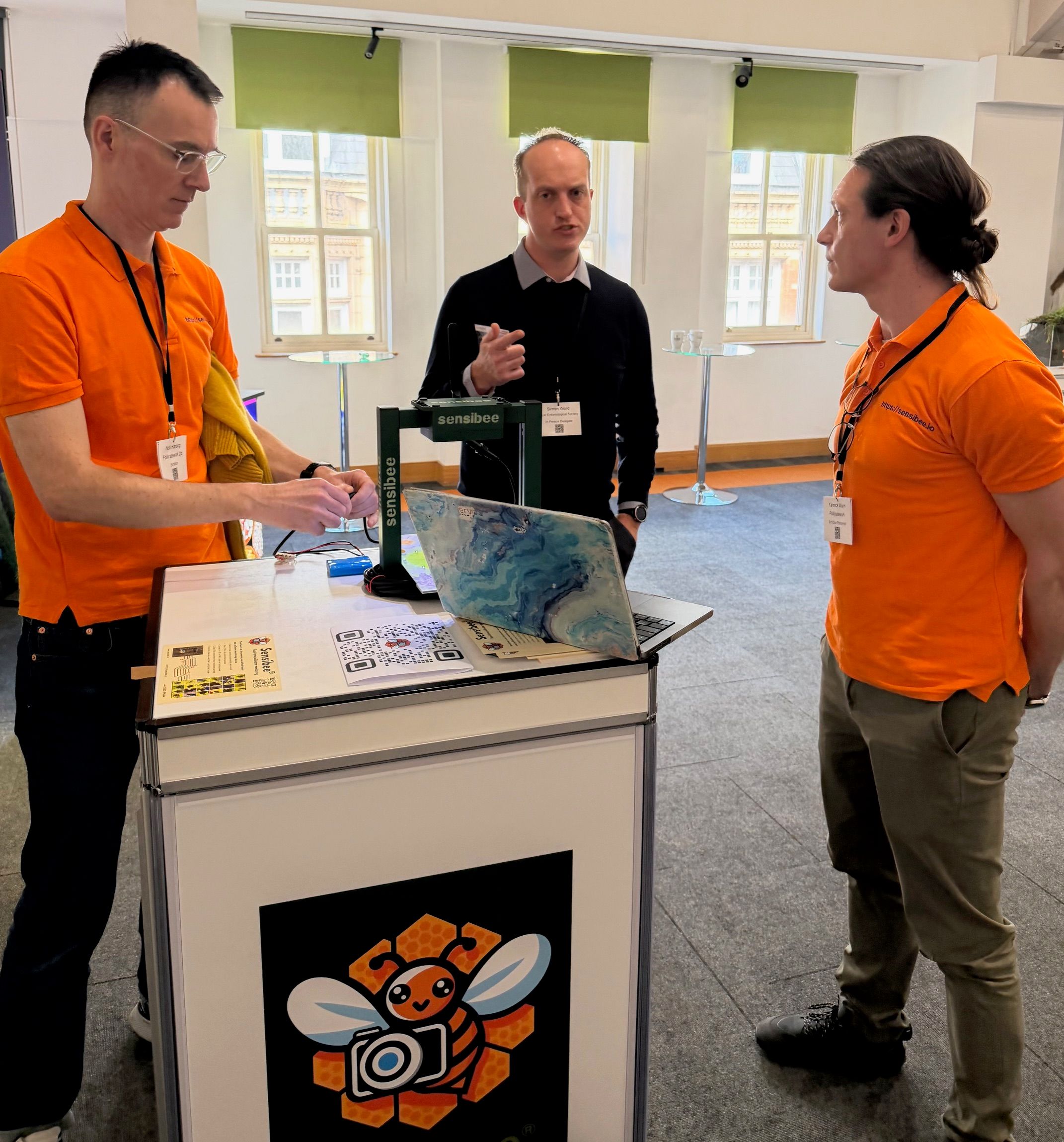
We had a wonderful day at the Innovate UK AgriFood Innovation Showcase in Birmingham, where we met many other innovative tech solutions supporting regenerative agriculture and had the chance to demonstrate how Sensibee can give farmers, ecologists, and land stewards real insight into pollinator activity on their land.
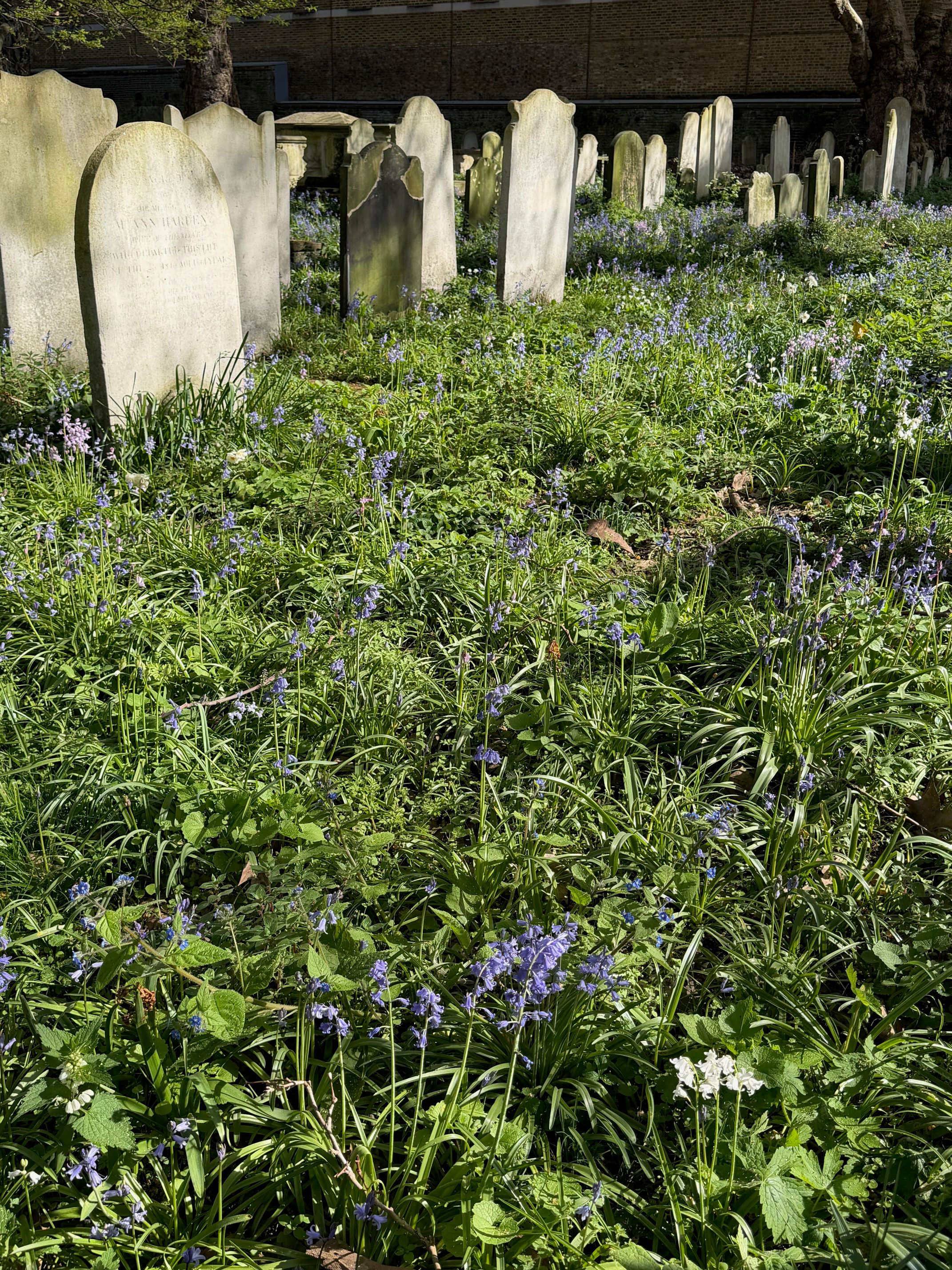
We also attended Pollinating London Together’s annual meeting, where we learned, among many other things, that London’s cemeteries are valuable and underrated pollinator habitats, home to a surprisingly rich variety of species including butterflies and ground-nesting bumblebees. This inspired a visit to Bunhill Fields, the historic burial ground near Old Street (where William Blake is buried), which was indeed overflowing with wildflowers and pollinators.
Recommendation corner
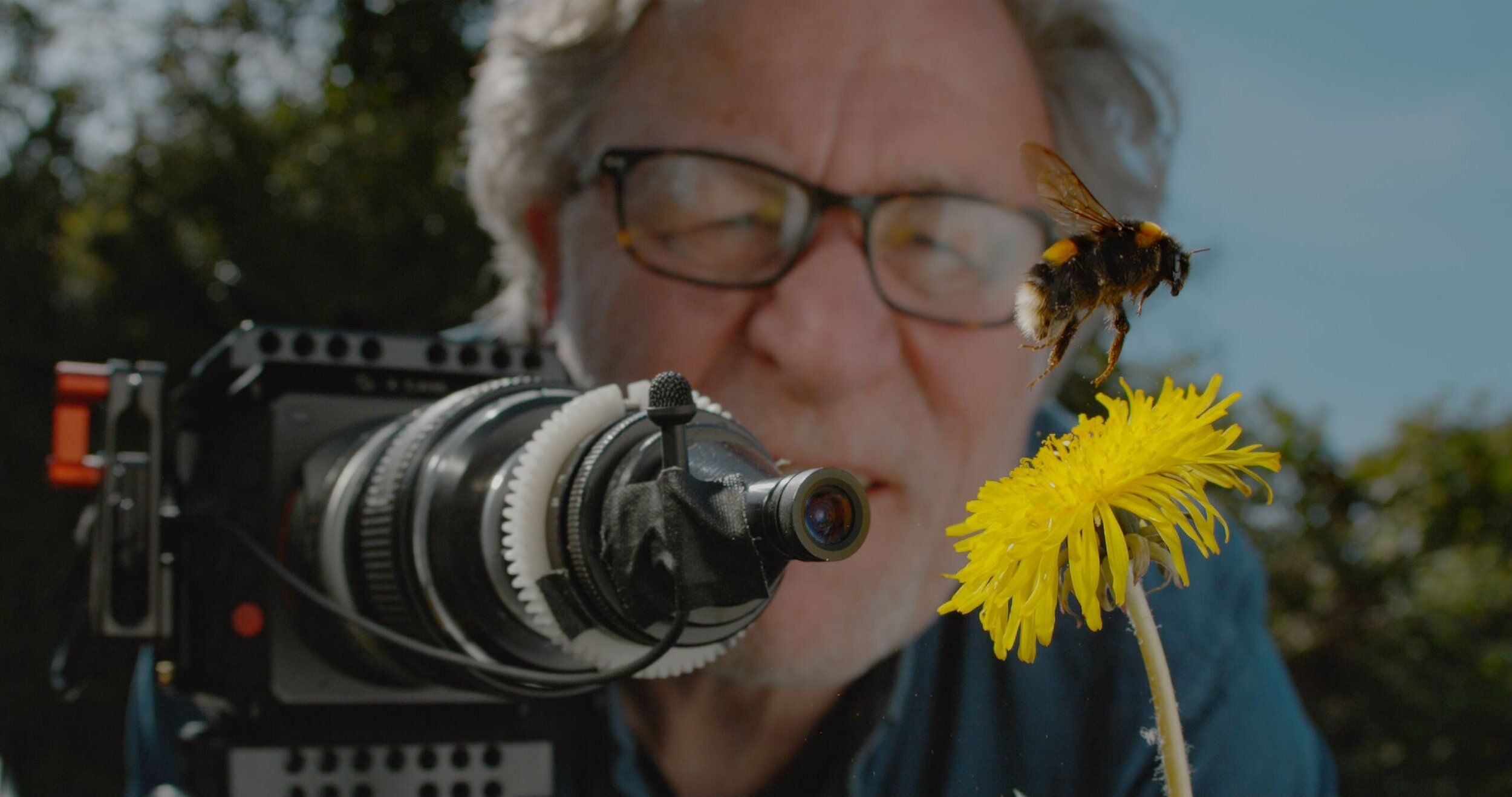
On a less morbid note, we will be sharing a pollinator-related recommendation at the end of each newsletter going forward. This month it is the documentary My Garden of a Thousand Bees, which aired on BBC Four on 25 March and is now on BBC iPlayer (or PBS for our US readers). Bristol wildlife filmmaker Martin Dohrn spent lockdown in his tiny urban garden cataloguing bees with custom-built lenses, eventually identifying over 60 species and getting to know individual bees by sight. If this sounds dry, trust us, it’s not! Dohrn shows a lot of joy in learning how to identify bees and the doc is largely free of pollinator decline doom and gloom. Worth a watch where you can find it.
Thanks, as always, for supporting us and please reach out if you’d like to know more.
Best wishes,
The Sensibee team 🐝